Free Consultation
(818) 984-2242
Free Consultation
(818) 984-2242
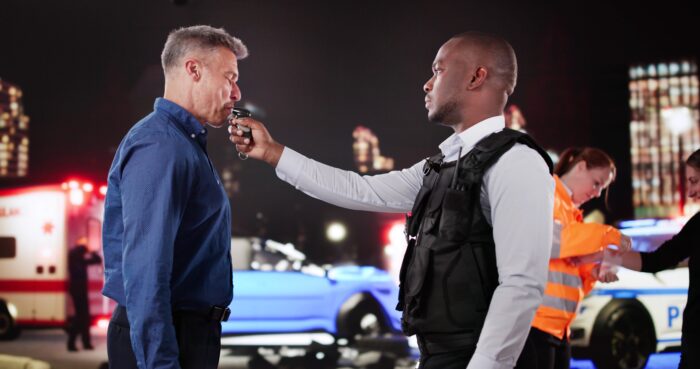
If you were recently arrested for DUI in California, your breathalyzer test result may be an important part of the evidence against you. Breathalyzers are used across the state by law enforcement to estimate blood alcohol concentration (BAC).
But how accurate are these devices, and can their results be challenged in court?
The DUI Man defends California drivers facing DUI charges and helps them understand their options for challenging the evidence.
Breathalyzers are designed to measure the amount of alcohol in a person’s breath, which is then converted into an estimated BAC. While these devices are widely used, they are not always accurate. Even when operated correctly, a breathalyzer does not directly measure the amount of alcohol in your blood, only the alcohol in your breath.
Not all breath tests serve the same purpose. A preliminary alcohol screening (PAS) test is typically administered with a handheld device during a roadside DUI investigation. It helps an officer determine whether there is reasonable cause to believe you were driving under the influence. For drivers 21 or older who are not on DUI probation, this investigative test is generally optional. Different rules apply to drivers under 21 and those on DUI probation.
A post-arrest evidentiary breath test is different. After a lawful DUI arrest, California’s implied consent law generally requires chemical testing. In an alcohol-related case, drivers ordinarily have a choice between an available breath test and blood test, subject to certain exceptions. Taking a roadside PAS test does not satisfy this post-arrest requirement, and refusing required testing can lead to license suspension or revocation and other consequences.
If you are facing your first DUI, understanding how your breath test was administered can help you discuss potential concerns with your attorney. Issues worth reviewing include:
Tell your attorney about any medical condition, recent vomiting or regurgitation, or difficulty providing a breath sample. These circumstances require individual evaluation and do not automatically establish that the result was inaccurate.
California has specific regulations that govern how breathalyzer devices are maintained, tested, and used.
Under California Code of Regulations, Title 17, breath testing instruments must undergo accuracy checks at intervals not exceeding 10 days or after testing every 150 subjects, whichever comes sooner. Agencies must maintain records documenting these checks. Missing records or failed accuracy checks may provide grounds to question the reliability of a test result.
A defense attorney can examine whether the instrument was functioning properly, whether the operator had appropriate training, and whether required testing procedures were followed. These issues can affect the reliability of the result and the weight it receives in court.
A violation of Title 17 does not automatically make a breath test inadmissible. Depending on the evidence, the prosecution may still establish a sufficient foundation for admission, while the defense challenges the result’s reliability.
Have questions about how your breath test was handled? Contact The DUI Man at (818) 984-2242 for a free consultation.
When a reported alcohol concentration is close to the applicable legal threshold, questions about testing accuracy may be especially important. However, a questionable breath result does not automatically require dismissal. Your attorney must evaluate the charges and the other evidence in the case.
An experienced DUI attorney can review the testing records, evaluate compliance with Title 17, and investigate whether your constitutional rights were respected.
When facing a DUI charge in California, knowing what to do immediately after a breathalyzer test can protect your rights and strengthen your defense.
After a California DUI arrest, you generally have only 10 days from receiving the suspension or revocation order to request a DMV hearing. This notice is commonly provided at the time of arrest. The DMV process is separate from your criminal case, so do not wait for your court date to address your driving privileges. Missing the deadline can mean losing your opportunity to contest the administrative suspension. Learn more on our California DMV Hearings page.
Contact The DUI Man at (818) 984-2242 for a free consultation and help addressing the DMV deadline.
If you suspect your breathalyzer was inaccurate, it is best to document this as soon as possible by writing down what happened and preserving your paperwork.
Here are a few steps you can take:
Your attorney can help obtain testing and maintenance records. Seek legal advice promptly rather than waiting for your first court appearance.
Refusing or failing to complete required chemical testing after a lawful DUI arrest can result in driver’s license suspension or revocation and other consequences. These rules differ from those governing an optional roadside PAS test.
An attorney can review whether the arrest was lawful, whether the officer provided the required warnings, and whether the evidence supports a refusal finding. Those issues may provide grounds to contest the DMV action.
The DUI Man has extensive experience defending clients across California against DUI charges, including cases involving questionable breathalyzer evidence. Our team knows how to identify procedural errors, challenge faulty test results, and protect your rights in court.
To discuss your case, contact us today at (818) 984-2242 for a free, confidential consultation.
